

Summary of the Project
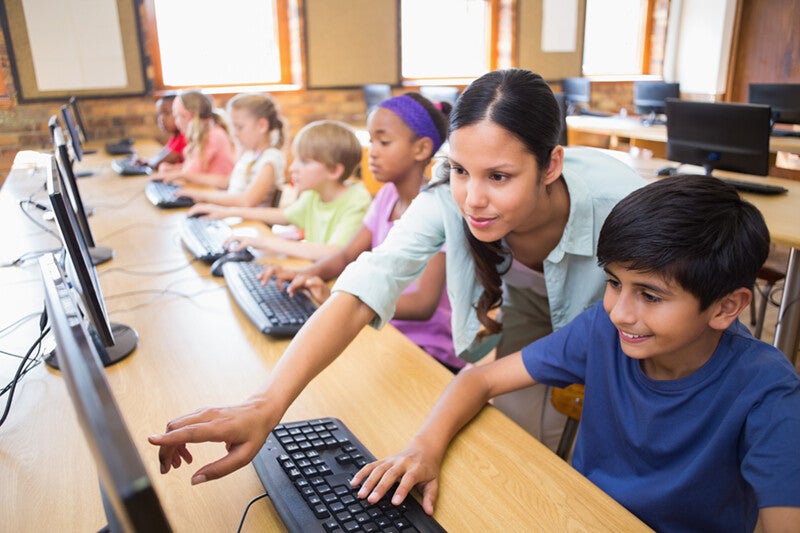
A few ways to use the internet safely
The internet can be a wonderfully useful tool but like anything in this world, it must be used safely. Internet users of all ages must learn to keep personal information safe and limit its use. Many programs have settings that expose your location for marketing and tracking reasons. Ensuring that your privacy settings are turned on well reduce the likelihood of this information getting into the wrong hands. Using trusted websites reduces the likelihood of being targeted by nefarious online users. Ensuring your internet connection is secure keeps others from gaining access to any devices that are connected to it. Downloading only trusted material and ensuring that your antivirus software is up to date reduces the likelihood of accidentally downloading malware or computer viruses. Utilizing strong passwords helps with securing your online accounts. Lastly, be mindful about what you post and who you meet online. Parents should keep tabs on the online friends of their children to reduce the likelihood of them falling prey to predators.
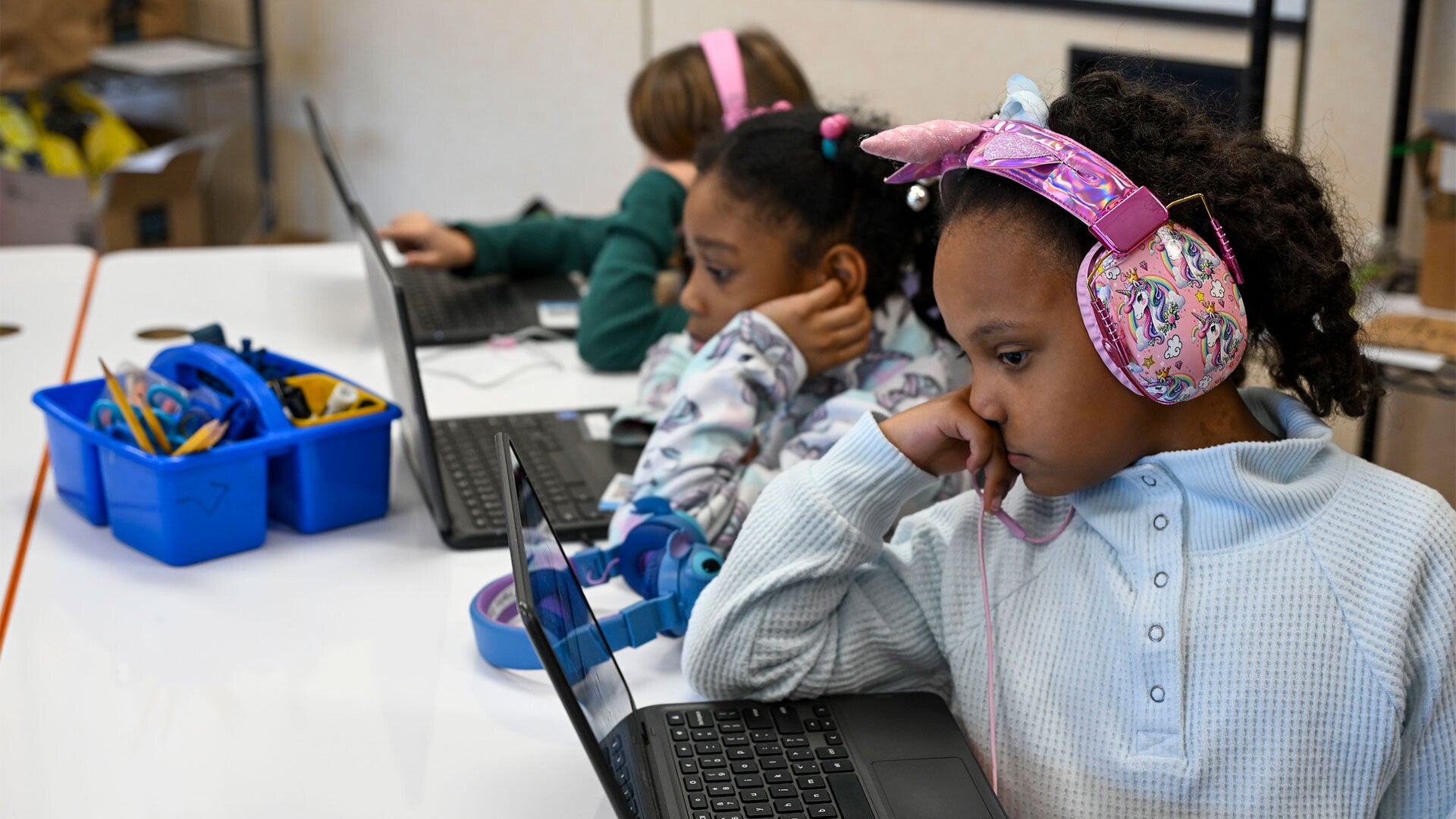
What to do if faced with an uncomfortable situation online
Whether you happen to be a child or an adult, you deal with uncomfortable online situations in the same manner. First, save the evidence. If someone is mean to you online, whether its indirect or direct, make sure to record it. Screenshot the evidence if it’s something that can be deleted. Maintaining the evidence makes it easier to deal with the perpetrator, and it gives you credibility, especially if they are repeat offenders. Secondly, it’s okay to talk to someone about what happened. Victims of bullying claim that the most helpful assistance provided to them by others was having someone genuinely listen to them and spend time with them. If you have no one to talk to offline or online about bullying that you have experienced, then you can reach out to “Kids Help Phone” at https://kidshelpphone.ca/ at and talk to a trained counselor.

Aiding parents in educating their children in the safe use of digital tools
The most important thing a parent can do is educate their child. This can be as simple as having a conversation with them about the reality of online danger. There is no need to overembellish the reality of the potential danger that they could face but there is also no need to “sugar coat” it, just be honest with them. There are several useful “resources” that parents can use to help their children in safely enjoying the online world. Having, “The Talk,” was mentioned earlier but parents can also set parental controls or locks on certain content. Parents can also friend and follow their children on social media which allows them to keep tabs on who they are hanging out with online and what they are engaging in.
Create Your Own Website With Webador